Costa News Spain Breaking News | English News in Spain.


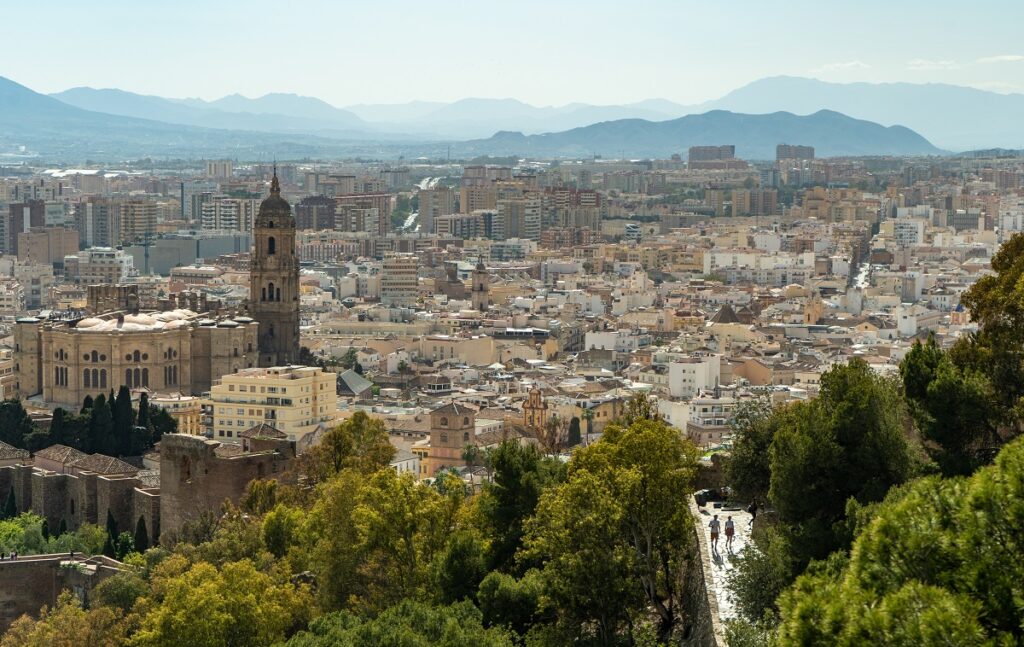
If you’ll be melting in Malaga this weekend and wondering why your AC bill is screaming back at you, welcome to TERRAL!
Experts say that on Friday and Saturday, across Malaga province, daytime temperatures will range between 34 and 36 degrees Celsius. At night, temperatures won’t drop below 25C, leading to those sweltering nights where you barely sleep.
So, it’s hotter than hot, it’s incredibly dry, and it’s that weird inland wind locals love to hate. Or hate to love. Depends who you ask.
But… What exactly is this “terral” everyone keeps blaming on the weather app? Let’s break it down, like locals do when the thermometer hits 36C at 10 in the morning.
What is terral? (And why it feels like you’re cooked alive)
Technically, terral is a local wind that blows from the land to the sea, usually at night or early morning, and especially along Spain’s southern coast – most famously, Malaga.
While most coastal winds are cooling sea breezes, the terral does the opposite: it brings in hot, dry air from inland. Think of it as a hairdryer set to “desert mode.”
Here’s why it happens: at night, the land cools faster than the sea. That makes the air over land denser and heavier.
And this heavier air rushes toward the sea, replacing the lighter, warmer air over the water. That inland wind, after rolling over the mountains near Malaga, heats up even more, thanks to something called the Foehn effect.
The result? You wake up sweating, with 0% humidity, no breeze in sight, and a sky so blue it hurts your eyes.
So, terral is not coming from Africa?
Nope, not this one.
Despite what your neighbours might say, terral doesn’t come from Africa. It actually blows in from the north or northwest, across inland Spain, and gets funnelled down through valleys and over mountains before hitting the coast like an oven blast.
Usually, terral can strike in summer or winter, but summer is when it really hits hard. In winter, terral is cooler and drier, often bringing clear skies. In summer, it’s brutal, dry, and makes you question your life choices.
You’ll know it’s coming when:
- You see 36C on the forecast in Malaga city while nearby towns like Fuengirola stay breezy at 28C.
- You hear locals say “el poniente está luchando”.
- You (try to) sleep through a torrid night, meaning temps stay above 25C all night long.
But how long does it last?
A bit of good news here. Usually, 2–3 days, but it can stretch up to ten if the weather gods are in a mood. Thankfully, it tends to come and go quickly.
And here’s another thing. Some locals in Malaga love this terral phenomenon, for its dry heat and clear skies. But most of the malagueños hide inside their houses and don’t come out until it’s over.
What’s certain? Terral is part of Malaga’s identity. It’s shaped the culture, the way people live, and even the way buildings are designed (yes, thick walls and shutters).
Pro tips to survive the terral
It’s not easy, especially if you’re not used to it. But you’ll survive.
Don’t fight it. Hydrate. Siesta is good. Don’t plan hikes. And for the love of espetos, do not expect a cool breeze on the beach during terral. You’re not getting one.
But you’ll survive.
Read here more news from Spain.