Costa News Spain Breaking News | English News in Spain.

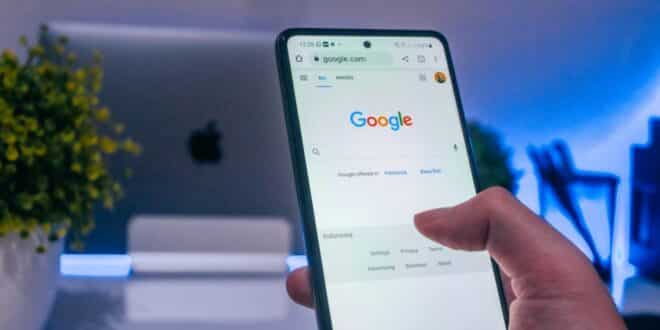
Google has sent a warning to its users regarding hackers.
Photo Credit: Arkan Perdana via Unsplash
Google issued a series warnings to Gmail users. Google has recently announced that the ShinyHunter hacker group was responsible for a large-scale cyber attack. The company issued a caution to its 2.5 billion users.
ShinyHunter hackers are reportedly committing scams impersonating Google employees. Users claim that hackers have sent emails and called users to inform them that their accounts were hacked and they must reset their passwords to protect themselves. Hackers can also use Google users’ information to trick the user into installing malicious apps on their device.
Google reiterated their policy that they would not call users to alert them of scams, or ask for password resets. Users should also avoid giving personal information on the phone as it could lead to data theft.
Google has also provided users with useful mitigation measures to help ensure that emails sent by them are genuine:
- Google will send users security alerts informing them of any new logins. They can also confirm that they are the ones who made it. Google will email users if suspicious activity is detected. Users should be aware of when they receive the alerts. Google will send you an email with security tips and information on password management.
- Users should check that the emails received are from Google. Verify that the email came from Google. no-reply@accounts.google.com. If the email was not sent from Google, then it wasn’t. You can also check the “recent activity” in your Google account to verify this information.
- Google Security Activity will list all security alerts. Click on “See Unknown Activity?” to see if anything seems out of place. You can change your password by clicking on “See unfamiliar activity?”
You can protect yourself from scams and other potential threats by following these steps.
- Double-check links before clicking: By ensuring that the links you click on are genuine, you can protect yourself from potential scams. Be on the lookout for misspellings and redirections to another page, as well as any pages that require personal information.
- Visit the courier directly to verify delivery updates. Do not click on an email link.
- Before using travel websites, make sure they are reviewed and legitimate. Avoid posting pictures of your travel documents.
- Use multi-factor authentication: Add an extra step to your login to protect your accounts – it does more than you realise.
- Beware of emails and phone calls that seem to come from Google. Do not send or dictate personal information.
Google warned users about an upcoming wave of cyber attacks. August is a busy month for hackers and cyber criminals. Users can still protect themselves by following these simple steps.