Costa News Spain Breaking News | English News in Spain.

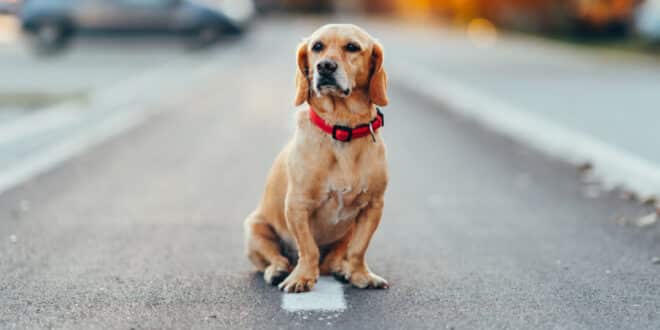
View from the driver’s seat of a car, showing a dog lying on the road.
DGT warns Spanish drivers about deadly animal collisions on the roads.
Credit: Zivica Kerkez, Shutterstock.
The DGT has sounded the alarm after wild animals were linked to a staggering 36,000 road accidents across Spain in 2024 alone — that’s one in every three crashes on interurban roads. The traffic authority, which is facing an “animal epidemic” in the country, has launched a new alert system that warns drivers when they approach high-risk areas. But what’s really driving the surge in wildlife collisions — and where are Spain’s most dangerous hotspots for boar, deer, and even stray dogs? Here’s the complete breakdown.
Spain’s number one enemy behind the wheel has been the humble hog Dirección General de Tráfico DGT launches an emergency crackdown to combat a crisis of beastly proportions: the increasing number of car accidents involving animals.
New data released this week reveals a wild truth – one in three crashes on rural roads in Spain now involves an animal. A new report by The Asociación Española de la Carretera (AEC).
Death on (country) Roads
While 98% of incidents ‘only’ maul bumpers and bonnets, the stakes are deadly. Last year eight human lives were taken and 58 hospitalized, usually due to drivers swerving around or colliding unexpectedly with wildlife. The number of animals killed by vehicles is not officially known, but it can be estimated.
Which areas are worst affected? Spain’s sleepy secondary roads – think narrow tarmac, patchy lighting and zero time to react.
The DGT’s new guide focuses primarily on three animals which cause the most accidents.
- Wild boars account for 40% of animal accidents – strong, fast, and tragically unpredictable when crossing rural roads.
- Deer (mostly Roe): 32% – graceful but dangerous in the wrong place at the wrong time, especially at high speeds.
- Dogs: 8% – often lost, abandoned, or straying from nearby homes, these animals are among the saddest victims of Spain’s road crisis.
Autumn and winter can be dangerous because animals are more active, and visibility is reduced.
Castilla calamity
Some regions have become four-legged free for alls. Castilla y Leon is the top ranking region in Spain, followed by Castilla La Mancha, and Galicia. “animal crossing” Signs become more than a joke.
It’s not random chaos. The DGT has mapped out the country’s most cursed stretches of tarmac – dubbing them TEFIVA zones (short for Tramos con Especial Frecuencia de Incidentes Viales con Implicación de Animales). There have been at least 10 animal fatalities on these roads in the past five years.
In 2023, 150 TEFIVA danger zones were identified, covering over 200 kilometres of Spanish roads – and they account for a staggering 21% of all animal-related crashes with human victims.
Smart tech meets wild nature
To battle the sad boom, the DGT is going high-tech with its DGT 3.0 platform – a real-time road alert system currently in pilot testing. Drivers will receive live warnings via their sat navs when they approach an area prone to animal danger.
According to the DGT; ‘It’s about anticipation, prevention, and avoiding unnecessary death – human or animal.’
New Road Rules
The guide is not limited to maps and machines. Here’s what Spain is doing to combat the problem.
- Smarter signs: Brighter lights, clearer panels, and dynamic warning systems to catch drivers’ eyes – especially at night.
- Scent-based Defences: Yes, really. Fencing and gates with a special scent Ultrasound deterrents aim to The stink is back Or frighten wildlife before it reaches the road.
- Eco bridges and Escape Routes: From wildlife overpasses to underground tunnels, animals get safer crossings – and humans get safer commutes.
- Safety for motorcycle ridersThe anti-animal barriers are also lifesavers for motorcycle riders, who are often the most at risk in these accidents.
What is the bottom line?
Human error still plays a huge role in this problem – including one of the most dangerous moves behind the wheel: overtaking on single carriageway roads. DGT warns deadly accidents during overtaking have increased sharply. Many drivers are simply misjudging the risk – with lethal consequences.
So next time you take a country road in Spain, remember: that ‘animal crossing’ sign might just save your life and theirs.
You can find out more about us by clicking here. Spanish Living News.
You can find out more about us by clicking here. News in English from Spain.