Costa News Spain Breaking News | English News in Spain.

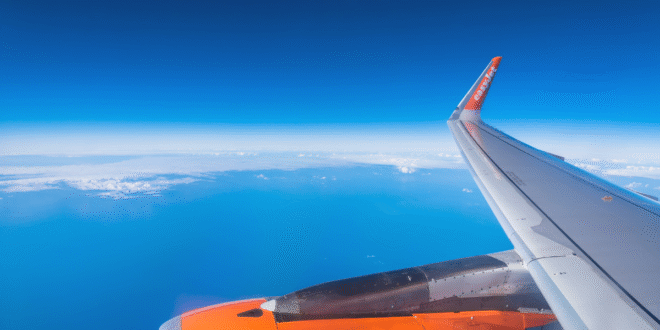
EasyJet changes its onboard rules in response to the food service change that will occur by 2025. Photo credit: eddy.galeotti, via Canva.com
EasyJet updated its food-and-drink policy. In 2025, flying is not as casual as before. That coffee you bring from the gate, or a quick snack packed at home — they might not make it on board anymore. EasyJet is now limiting what you can bring on board and what they will give you once you are seated.
EasyJet’s not the only one. British Airways has, for instance, already removed bottled water from some short-haul flights. And it’s not just them — airlines all over Europe have been scaling down in-flight service. Often they refer to it as streamlining. It feels like subtracting to passengers. What exactly has changed and how will this affect your next flight. What are the easyJet 2025 rules regarding outside food and drinks? How much do you pay for snacks onboard now? And how does that compare with British Airways or other airlines as well.
What easyJet did and how it affected the onboard experience
EasyJet updated its food and drink rules in 2025. This was to tighten the controls on what passengers brought and what was served onboard. Here’s what has changed:
- Bring Your own heated food EasyJet would rather you didn’t. EasyJet would prefer you not to.
- Water is complimentary It is not offered as a standard service unless requested or if you expect a small cup.
- Outside alcohol is still illegaleasyJet reminds its passengers that they can be fined if they bring their own alcohol.
- Snack prices Likewise, the shifts are also happening. Depending on the flight, you might notice a jump — some items are up around 15%.
What’s still permissible?
- You can bring a Sandwiches, crisps and fruit are all good options. But hot food, like takeaway, and containers are flagged.
- You can bring in sealed bottles of juice or water from the airport. The staff will warn you not to overindulge.
This is a great step forward in improving cleanliness and comfort. pay-as-you-fly Service, food or hydration are all priced. You might not notice if you only fly for an hour. It’s different if you are stuck in the air for a long time, without a bottle or food.
British Airways and Ryanair: In-flight Benefits
A trend is well underway across all airlines. British Airways, for example, has stopped selling bottled water on its short-haul flights. They offer a small glass if requested, but I get mine from the dispenser near the toilet.
- Ryanair continues to push its ‘nothing-free’ model, where everything on board, from a cup of tea to a seat with decent legroom, is part of the menu.
- easyJet The middle ground, also known as Ryanair’s style of operation, is more similar to that.
In Europe, it isn’t a matter of cost-cutting but a redefining of air travel. Basic services, which were once part of the fair, are being reduced. The company claims that this is an efficient or streamlined approach and passes the cost onto passengers.
While easyJet may portray the change as a minor issue, it is a reflection of a larger reality: the Baseline for European Air Travel is being redrawn in a way that does not benefit passengers.
Budget flying: the future
Budget airlines like Ryanair or easyJet, which charged less and expected less, were once the exception. Even legacy carriers, like British Airways or Lufthansa, are cutting perks and pushing the same model.
Now, the shift is from service included (which includes all services) to service optional. This means that extra food, drinks, luggage and legroom are now repackaged.
The flight is now a modular system, with the airline deciding what to remove first.
What does this mean for travellers? This is the new type of air economy where the cabins look the same but the rules are different. Most of the changes do not benefit passengers; we are entering a phase of lean flight where your comfort level depends on the preparation you make before boarding.
These small choices, such as a water bottle or sandwich, can now influence the overall flight experience. EasyJet’s food and beverage update is more than just a change in policy. It signals that the passengers are not customers anymore, but units to be efficiently processed.