Costa News Spain Breaking News | English News in Spain.

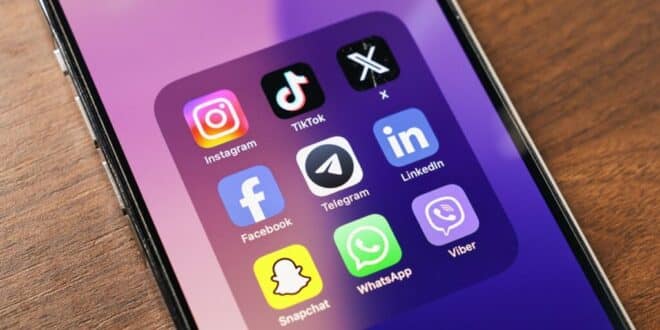
Scammers use fake AI ads across social media platforms like Instagram, Facebook, and LinkedIn—don’t get caught out!
Credit : aileenchik, Shutterstock
Artificial intelligence is everywhere these days and everyone’s talking about it, your mate down the pub is trying to use it, and every other advert online promises to ‘change your life’ with the latest AI tool. The AI gold rush is on. As always, whenever something is shiny and new, you can be sure that there will be plenty of swindlers ready to take advantage.
Cyber criminals are taking advantage of the AI boom. You may think that you’re smart enough to avoid an online scam. These fake ads are so convincing, you’d swear they were the real thing. Instead of a new, clever app, you could end up with a nasty piece of malware and an empty bank account.
The scammers use Facebook to trick people
You scroll through Facebook, Instagram or LinkedIn to stay productive. You see an advertisement for the “AI video creator” promising Hollywood-level effects with one click. You see a glitzy video demo, and a logo that you can only half recognise (is it Canva? Luma AI? Another flashy official thing?(), and a large green button screaming “DOWNLOAD HERE.”
Tempted? Scammers want you to be tempted.
Many of these fake ads, according to security experts at Mandiant part of Google Cloud and often located in Vietnam, are run by professional cybercriminals. Their game? You’re tricked into believing you are downloading an advanced AI tool when in reality you are giving them the keys of your digital kingdom.
You’re taken to a site that appears legitimate as soon as you click. It may ask you to download something, or it might not even require that you log in. You’ve installed malware if you clicked “yes”. This sneaky software steals credit card numbers, passwords and anything else that you have stored on your computer. The worst part? You won’t know until it is too late.
Why are AI-based social media scams so convincing?
Timing and psychology are key. Scammers know that AI is the hottest topic, and people want to be first. They have paid for good graphics and fake testimonials. The scams look so convincing that even the most skeptical of us click without thinking.
Because the Internet is always on, you can report one scam and it will appear minutes later. They are playing catch up, trying to tighten the screws on social media platforms.
The consequences of losing money can be worse than the loss itself. Malware from these scams can hoover up your saved passwords, break into your email, your PayPal, your bank—pretty much your whole digital life. It can also be dormant and quietly monitor your activities, waiting for the right moment to strike. You may not even be aware of the fact that your account has been drained or you have become a victim of identity theft.
The red flags that every social media user needs to know when spotting fake AI ads
Alright, let’s get practical. What should make you scream?
- No login required: Most real AI tools require you to register or login. Do not touch a “magic-download” that is offered immediately.
- Immediate download: Sites that are legitimate will show you a demo, a preview or an explanation. Download-or-nothing is a red flag.
- Strange file formats AI video tools should deliver .mp4 or .mov files—not .exe or .zip files.
- Fake Social Profiles: Check the ad account. It’s likely a scam if it has only five followers, there is no history or it posted about dodgy pills last week.
- No web presence Google the tool name separately. If you are unable to find a reputable site or reviews from independent sources, then move on.
- Pushy sales tactics: Only today! “Your last chance!” Real technology doesn’t force you to buy it.
Tech safety: How to remain safe while using it
You don’t need to abandon AI forever. It’s important to be sceptical. Here are some tips to help you stay informed:
- Install decent antivirus software Update it regularly.
- Never save passwords to browsers If you can, avoid it.
- Never reuse the same password across different sites. Stop it. Stop it.
- Please check URLs before clicking. Official domains will host official tools.
- Report misleading advertisements to the platform—don’t just scroll past.
Do not panic if something strange is accidentally downloaded. Connect to the Internet and run an antivirus scan. Change your passwords, starting with your email and bank. Call your bank immediately if you notice any transactions that you do not recognise.
The red flags that every social media user needs to know when spotting fake AI ads
Let’s be honest: The world of AI may be thrilling, but it is still a WildS West. It’s probably a scam if something seems too good to be real. You’ll thank yourself in the future (and so will your bank account) if you take a few seconds to think before clicking.
Keep your eyes open, be vigilant, and stay alert.