Costa News Spain Breaking News | English News in Spain.

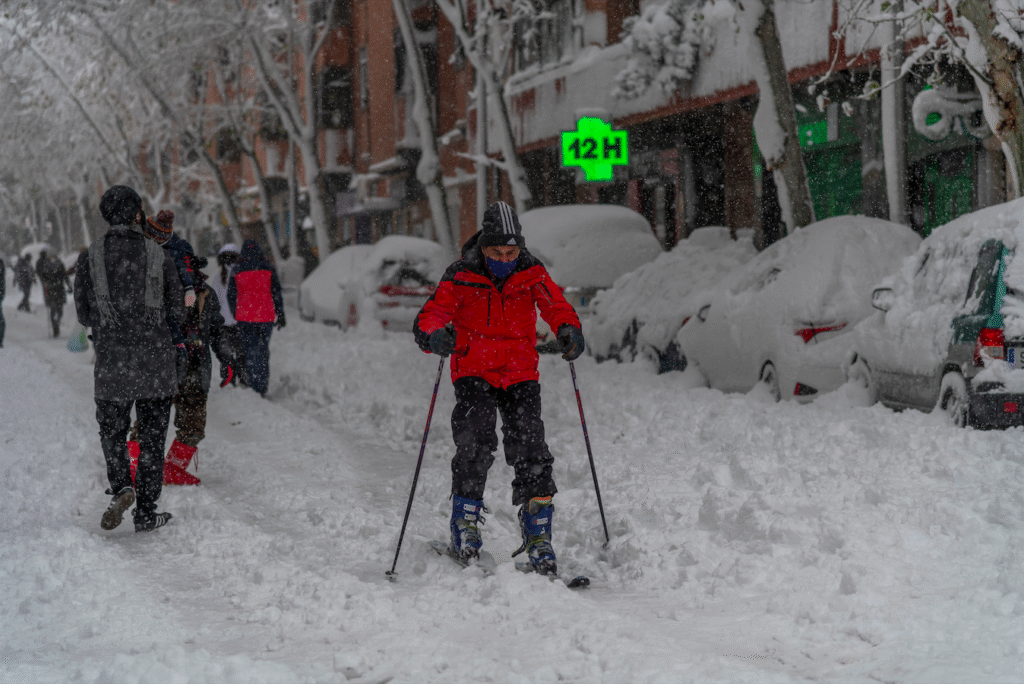
The road conditions can deteriorate rapidly, particularly on mountain passes. Photo credit: Lerma/Shutterstock
The Spanish weather service has issued a warning of significant snowfall on the next day. A mass of Arctic air is affecting the northern part of the country, causing temperatures to drop sharply.
Authorities have placed 11 provinces on alert Snow is a risk. These include Asturias, Cantabria, Burgos, León, Palencia, Soria, Navarra, Huesca, La Rioja, Álava, and Vizcaya. Snow levels could dip to as low as 300–400 metres in some areas.
At lower elevations, snow accumulations can reach up to 5 cm per 24 hours. This may increase to 20 cm or more at higher altitudes. This is enough to cause traffic chaos and dangerous driving.
Traffic Safety and Road Safety Alerts
What the DGT is Saying
The Dirección General de Tráfico has strongly urged drivers to check the condition of roads before travelling. In the 11 provinces on alert, snow is expected to be most severe in mountain passes and areas at high altitude.
Several major roads are at risk, including AP‑66 (Asturias and León), N‑630 (Asturias–León), N‑621 (Cantabria–León), A‑67 (Cantabria), AP‑68 (Bilbao–Zaragoza), AP‑1 (Burgos–Irun), and A‑15 (Navarre). Travel can be severely hampered by dangerous conditions, such as ice accumulation, snow accumulation and the need for chains.
It is recommended that motorists use winter or all season tyres when possible, and carry snow chains if they are travelling in mountainous regions.
It is important that drivers pay attention to the latest updates, which are available via official channels such as radio, social media and websites.
What expats should expect
Understanding Local Alerts
These snow alerts are important for expats living or visiting the north of Spain. Snow accumulations in the 11 provinces on alert are expected to be significant, which could affect travel, everyday life, and even work.
Closed roads or restrictions can be imposed without warning, especially in mountain passes.
Expats: Tips and Tricks
- Prepare your vehicle — Ensure your car is winter-ready: fit winter or all-season tyres, carry chains, and stock up on essentials like a shovel, warm clothes to keep you safe from the cold, and a fully charged phone.
- Consider alternative transportation options — Public transport may be less reliable; check whether rail or regional bus services are running, and allow extra time for travel.
- Stay updated — Use reliable sources to get real-time updates and turn on weather alerts on your phone.
- Make a safety plan — Know your nearest safe shelter, and keep contact details of neighbours or local emergency services. If you live in an apartment, be sure to know the building’s evacuation procedures.
Reacting to Heavy Snowfall
What to do when the snow hits
When the snow begins to fall, it is best to avoid all non-essential travel. Even major highways could become hazardous. You should avoid traveling before or after the worst storms and stay on main roads. Avoid mountain or minor routes unless confident and well-equipped.
If you are already on the highway and the conditions get worse:
- Slow down Maintain a safe distance.
- Use chains If the road signs require them or if authorities do.
- Keep an eye out for updatesIt is possible to impose temporary road closings or restrictions on heavy vehicle traffic.
- You may be strandedStay in your car, clear your exhaust pipe of snow and save fuel and battery.
After the Storm
After the skies clear up, you should check the road conditions and resume your travels. You should wait until all roads have been cleared. Watch local council updates to find out the priority and time for clearing roads.
Key Take‑Home Points
- Snow warnings have been issued for 11 provinces in northern Spain, including Asturias, Cantabria, Burgos, León, Palencia, Soria, Navarra, Huesca, La Rioja, Álava, and Vizcaya, with low snow levels and heavy accumulation expected.
- Drivers are advised to check road status, use winter tyres or chains, and prepare for disruptions on major highways such as the AP‑66, N‑630, and A‑15.
Preparation is key for expats: prepare your vehicle, be informed and have a backup plan. Avoid driving recklessly and stay informed.
Snow alerts are disruptive, but can be managed with the right precautions. Visitors and residents in northern Spain will be able to navigate winter weather safely by following the official advice and staying prepared.